

The Congresswoman Who Turned Egg Freezing Into an Act of Radical Courage
Sara Jacobs on choosing agency over timelines, why vulnerability is power, and what it means for all of us heading into 2026

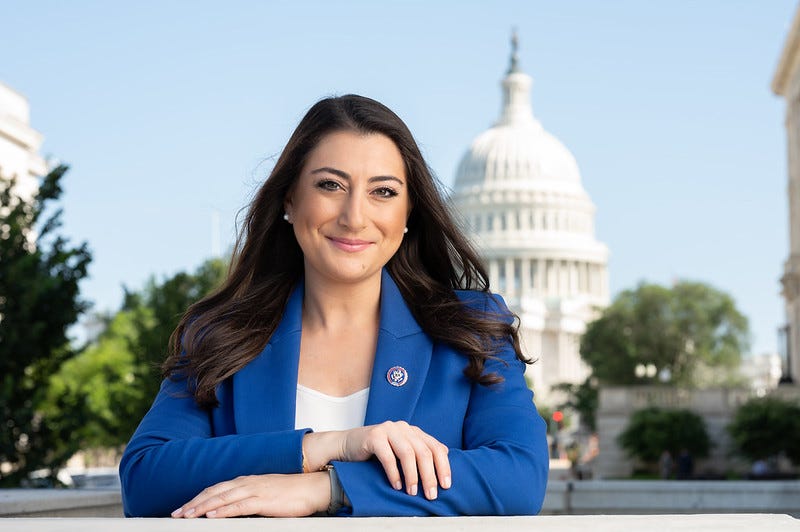
In 2025, something shifted quietly in the conversations women have behind closed doors. A sitting Congresswoman decided to bring those whispers into the light.
Sara Jacobs, at age 36 and in her third term representing California’s 51st district, went public with her decision to freeze her eggs, not once, but twice, while serving in one of the world’s most demanding jobs.
She described the physical realities in unflinching detail: hot flashes that felt like premature menopause, acne reminiscent of teenage years, and nightly cravings for frozen yogurt and cinnamon rolls so intense they became a running joke.
Most people responded with sympathy. Sara’s reaction? “Why are you sorry? This is an empowering decision.”
That response reveals a deeper pattern. For years, women in high-stakes careers have navigated fertility choices in isolation, treating them as private defeats rather than deliberate acts of control. Sara’s openness exposed how costly that silence has become, not just personally, but culturally.
Sara Jacobs’ Egg Freezing Journey: Agency in an Uncertain World
Sara first froze her eggs at 31, right after being sworn into Congress. She always knew she wanted children, coming from a large family herself. But the timing wasn’t right amid the chaos of starting a congressional career.
Five years later, still not ready but aware of biology’s constraints, she returned for two more rounds. The process was grueling, yet she framed it as gaining optionality, extending her timeline on her terms.
This wasn’t about delaying motherhood out of fear. It was about refusing to let external pressures dictate one of life’s most intimate choices. In a system that often forces women to choose between ambition and family, Sara chose both, on a schedule that honored her full life.
The Hidden Strength of Radical Vulnerability
Previous generations of women leaders often believed perfection was protection. Any hint of personal struggle risked being weaponized as proof they couldn’t handle the job. They armored up, silenced the messy parts of life, and projected unflappable competence. It worked, to a point. It got them into the room.
Sara represents a new model. She calls radical vulnerability her “superpower.” By sharing the messiness (the hormonal swings, the uncertainty, the joy of reclaiming control), she builds deeper connections and trust. She refuses to hide the acne, the hot flashes, or the late-night cinnamon roll cravings. Instead, she names them openly, turning what society labels weakness into a bridge.
Vulnerability doesn’t weaken authority. It humanizes it, making leaders more relatable and policies more responsive to real lives. When a Congresswoman admits her boobs hurt from fertility treatments or that she’s navigating the same timeline anxieties as millions of women, she signals something powerful: You don’t have to be superhuman to lead. You just have to be human.
This shift isn’t just a matter of personal style. It’s strategic. Research on psychological safety shows teams thrive when leaders model openness. Voters connect more deeply with candidates who feel authentic. And policy improves when lawmakers draw from lived experience rather than abstract ideals.
Sara believes her generation benefits from the sacrifices of those who came before, women who felt they had to be perfect to be taken seriously. Now, the freedom to be imperfect creates space for bolder ideas and stronger coalitions. Radical vulnerability invites others to drop their armor too, fostering the creativity and collaboration needed for real change.
In a divided era, that kind of leadership feels revolutionary: strength not despite humanity, but because of it.

Why Fertility Isn’t Just a “Women’s Issue”
Sara pushed back firmly when reproductive topics get sidelined as niche or divisive. “Reproductive health care is my health care,” she said.
As a 36-year-old woman, fertility decisions are central to her reality and to half the population’s. Yet they’re often treated as peripheral in rooms dominated by male perspectives.
True progress requires recognizing these aren’t special-interest concerns. They’re human ones that shape families, workforces, and society.
Perhaps Sara’s most liberating message:
No woman’s value is tied to if, when, or how she becomes a mother.
There is no single “should” path. Choices (early parenthood, later, adoption, or none at all) don’t diminish worth. They reflect it.
This frees women from internalized shame and allows men to rethink rigid expectations, too.
What This Means for 2026 and Beyond
As we enter a new year, Sara’s story feels like a turning point. Women in their 30s and 40s are increasingly delaying milestones amid economic pressures and career demands. The whispered conversations are the same ones Sara had with friends: Who’s trying? Who’s freezing? Who’s choosing differently?
By normalizing these realities, Sara turns private struggles into shared strength. She shows that authenticity isn’t risky. It’s revolutionary.
This echoes the quiet lesson in my children’s book You Matter, Luma: A shy bunny discovers her worth isn’t earned through fitting in or achieving perfectly. It’s inherent.
When we carry that truth into adulthood (into workplaces, policy rooms, and personal choices), we build a world where timelines don’t define us.
Listen to the full conversation on Passion Struck Episode 710:
Download the free Companion Workbook with prompts on agency and self-worth:
Pre-order my new children’s book, You Matter, Luma.
When has speaking your truth felt like freedom? Share in the comments.
Happy, healthy, and passion-struck 2026.